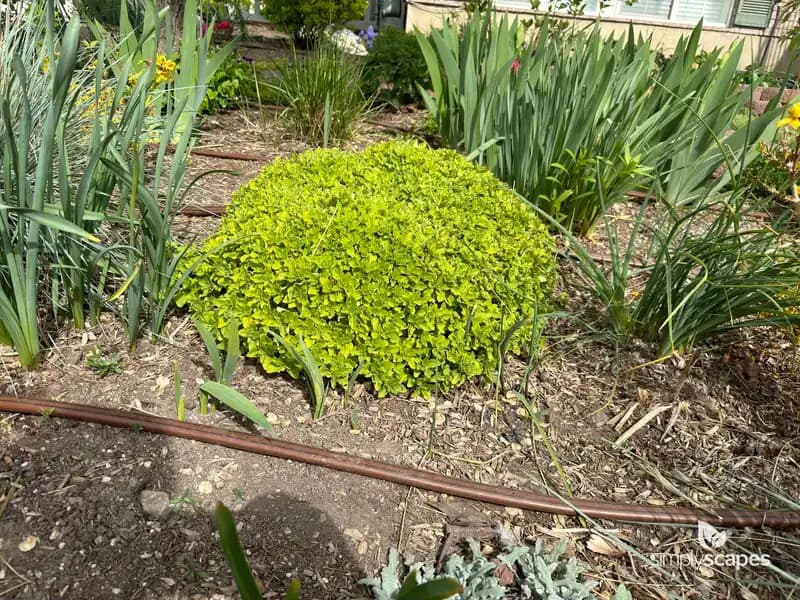
Oregano (Origanum)
Origanum
A versatile aromatic herb for culinary and ornamental use.
- Plant Type
- Edible Plants
- Width
- 12-24 In.
- Height
- 6-36 In.
- USDA hardiness zone
- 4 - 10
- Sun requirements
- Full Sun, Part Shade
Bring your vision to life
The design images above are drag-and-drop ready — place this plant on a photo of your own yard and see it before you plant it.
Create design onlineAbout Oregano (Origanum)
Origanum is a genus of aromatic subshrubs and herbaceous perennials grown as culinary herbs and ornamentals. Its species differ in size, growth habit, leaf color, flavor and flowering form, so no single look or care routine applies to every oregano. [North Carolina State Extension](https://plants.ces.ncsu.edu/plants/origanum/) reports forms from bushy mounds to prostrate or upright plants, commonly with small aromatic leaves and white, pink or purple flowers.
## Garden use
Oregano species can serve in herb gardens, borders, rock gardens and containers. Many are grown for flavorful foliage, while others are selected mainly for decorative leaves or flowers. The genus is native across parts of Europe, central Asia, the Mediterranean and North Africa; [Kew](https://powo.science.kew.org/taxon/urn:lsid:ipni.org:names:21080-1) documents the genus and its taxonomic diversity.
## Growing
A sunny position and well-drained soil suit many common garden oreganos, but needs vary among species and selections. North Carolina State Extension notes that poor drainage and hot, humid conditions can cause problems for some plants, and that dry-soil preference is not universal across every ornamental selection. Choose care by the named species or cultivar when that identity is known, and avoid assuming one size, flavor or color applies to the whole genus.
## Maintenance
Trim back spent stems as needed to keep plants tidy and harvest culinary types before or during flowering for aromatic leaves. In wet climates, use open, well-drained soil and monitor for rot or fungal problems. Preserve room for prostrate species to spread, while compact mounding selections can be kept at the front of a border or in a pot.