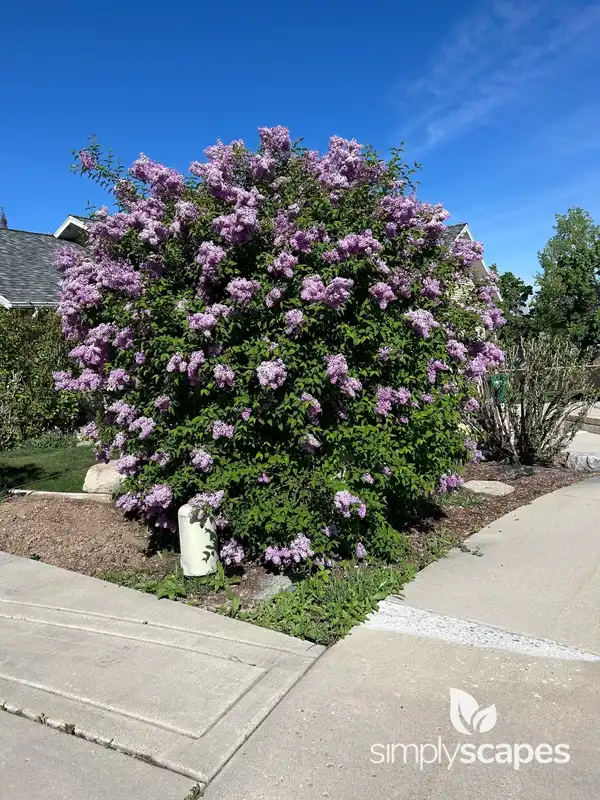
Lilac (Syringa)
Syringa
Deciduous lilac genus grown for fragrant flowers; species and cultivars vary in size, color, and bloom time.
- Plant Type
- Flowering Trees
- Width
- 8-12 Ft.
- Height
- 12-16 Ft.
- USDA hardiness zone
- 3 - 8
- Sun requirements
- Full Sun, Part Shade
Bring your vision to life
The design images above are drag-and-drop ready — place this plant on a photo of your own yard and see it before you plant it.
Create design onlineAbout Lilac (Syringa)
Syringa is a genus of deciduous shrubs and small trees in the olive family, grown for spring flowers that are often fragrant. Species and cultivars vary widely in size, flowering time, and flower color, so care should be matched to the selected lilac. [Kew Plants of the World Online](https://powo.science.kew.org/taxon/urn:lsid:ipni.org:names:328109-2)
## Garden character
Lilacs are best known for showy flowering clusters; colors across the genus include white, cream, pink, lavender, and purple. Many common garden lilacs bloom in spring, while some species and selections flower later. Green leaves are generally shed in autumn. The genus includes 13 accepted species and extends across a wide range of temperate regions. [NC State Extension](https://plants.ces.ncsu.edu/plants/syringa-vulgaris/common-name/french-lilac/) [Willowwood Arboretum](https://www.willowwoodarboretum.org/projects/lilacs-at-willowwood)
## Siting and soil
A sunny to partly shaded position with well-drained soil suits many cultivated lilacs. Large common lilacs can work as hedges or specimen shrubs, while dwarf cultivars fit tighter borders; match the available space to the named species or cultivar.
## Maintenance
Water newly planted shrubs while they establish and during prolonged dry weather. Pruning needs depend on the species and cultivar; where flower display matters, prune after flowering rather than cutting off the next season’s buds.