Red Maple Tree
Acer rubrum
A vibrant native maple with spectacular red fall color and year-round interest.
- Plant Type
- Shade Trees
- Width
- 30-50 Ft.
- Height
- 40-70 Ft.
- USDA hardiness zone
- 3 - 9
- Sun requirements
- Full Sun, Part Shade
- Design image count
- 15
Design images (15)


Bring your vision to life
The design images above are drag-and-drop ready — place this plant on a photo of your own yard and see it before you plant it.
Create design onlineAbout Red Maple Tree
Red maple is a deciduous eastern North American native with small red flowers, paired winged samaras, and fall foliage that may turn yellow, orange, or red. Its mature size varies with site and seed source, so it is best used as a large shade tree in a spacious landscape.
## Landscape use and size
NC State Extension describes a common mature range of 40–70 ft tall and 30–50 ft wide, while noting that exceptional trees can reach 120 ft. The U.S. Forest Service reports average mature forest trees at 60–90 ft tall, illustrating how size changes with site and growing conditions. Red maple works well in large lawns, parks, and street settings where roots and canopy have room.
## Seasonal interest
Small red flowers open before leaves, often in late winter or early spring. In North Carolina they may appear from January through March; farther north flowering occurs later. Winged samaras follow in spring, and fall leaves vary among yellow, orange, and red.
## Siting and soil
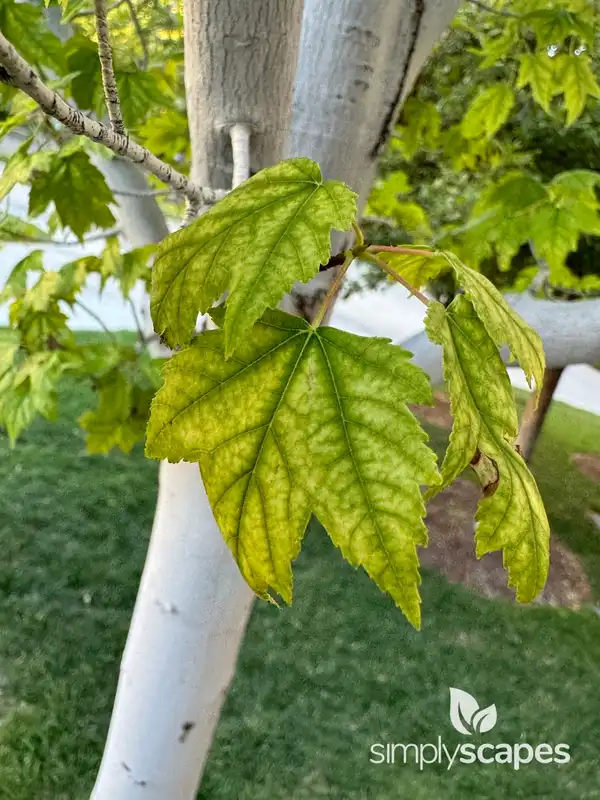
Grow in full sun to partial shade. Red maple adapts to clay, loam, and sandy soils, but prefers moist, slightly acidic, well-drained conditions; it also tolerates wet sites and occasional flooding. High-pH soils can cause chlorosis, and surface roots may interfere with paving or lawn care. Its leaves are toxic to horses, especially when wilted, so avoid livestock browse areas. See the [NC State Plant Toolbox](https://plants.ces.ncsu.edu/plants/acer-rubrum/) and [U.S. Forest Service profile](https://research.fs.usda.gov/feis/species-reviews/acerub) for species traits and regional variation.
## Maintenance
Water newly planted trees through establishment and during extended dry periods. Inspect for damaged or crossing branches and prune selectively as needed. Allow space for surface roots and the mature canopy.