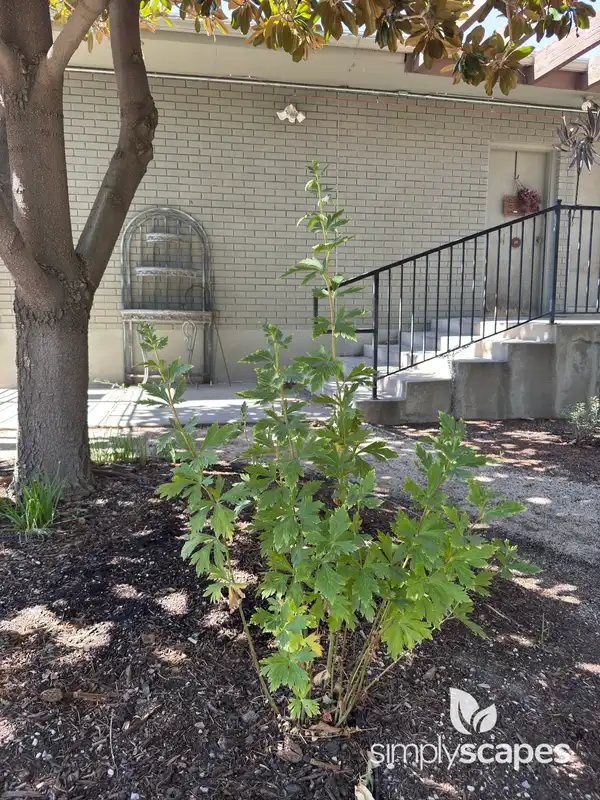
Monkshood Plant
Aconitum
Stunning but toxic spikes of hooded blue flowers for cool, shady borders.
- Plant Type
- Perennials & Annuals
- Width
- 18-24 In.
- Height
- 36 In.
- USDA hardiness zone
- 3 - 8
- Sun requirements
- Full Sun, Part Shade, Full Shade
Bring your vision to life
The design images above are drag-and-drop ready — place this plant on a photo of your own yard and see it before you plant it.
Create design onlineAbout Monkshood Plant
Aconitum is a genus of buttercup-family perennials and biennials commonly called monkshood. Species share lobed foliage and distinctive hooded flowers, while flower color, mature size, habit, and bloom season vary enough that no single species profile describes the genus.
## Landscape Use
Different monkshoods suit different spaces: some form upright clumps, while others can scramble through nearby plants. The genus occurs across the Northern Hemisphere, especially in mountain grassland and scrub. Use a species- or cultivar-specific source to match a particular plant to a border, woodland edge, or other site. The [Cambridge University Botanic Garden overview](https://www.botanic.cam.ac.uk/the-garden/plant-list/aconitum-vulparia/) describes the genus and notes that Aconitum vulparia has pale yellow hooded flowers; the [Royal Horticultural Society profile](https://www.rhs.org.uk/plants/380/aconitum-napellus/details) illustrates a different species with violet-blue flowers.
## Seasonal Interest
Flowering time and color vary among species, ranging from yellow to blue or violet shades and across summer into fall. Check the exact species or garden selection before relying on a particular size or bloom calendar.
## Siting and Safety
Growing requirements also differ by species. Many garden monkshoods do best in cool, moisture-retentive soil and partial shade, but check the exact taxon before planting. Aconitum is highly toxic if eaten; avoid skin contact with sap and wear gloves when handling. Cambridge University Botanic Garden characterizes the genus as highly toxic, and the RHS gives the same handling caution for A. napellus.
## Maintenance
Care depends on species and site. For established garden forms, remove dead stems after the growing season; use gloves and avoid handling plant parts unnecessarily.