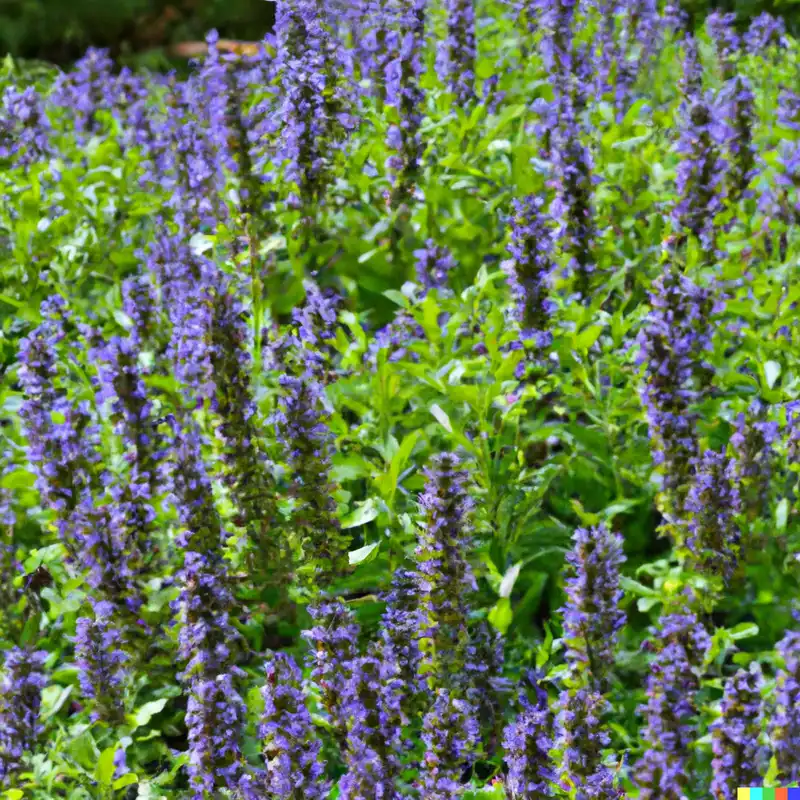
Giant Hyssop
Agastache
Agastache is a genus of aromatic flowering plants; species vary in flower color, mature size, and frost tolerance.
- Plant Type
- Perennials & Annuals
- Width
- 18-24 In.
- Height
- 24-32 In.
- USDA hardiness zone
- 5 - 10
- Sun requirements
- Full Sun, Part Shade
- Design image count
- 1
Design images (1)

Bring your vision to life
The design images above are drag-and-drop ready — place this plant on a photo of your own yard and see it before you plant it.
Create design onlineAbout Giant Hyssop
Agastache is a genus in the mint family, commonly called giant hyssop or hummingbird mint. Its many species and hybrids vary in mature size, flower colors, and frost tolerance, so the guidance here is genus-wide rather than a profile of one species.
## Garden use and variation
Upright flower spikes bring color to borders from midsummer into autumn. Depending on the species, blooms can be violet-blue, white, pink, or red, and the foliage is usually aromatic with green, gray-green, or bronze tones. Taller northern forms and more compact southwestern forms differ substantially in appearance and climate needs. The common name “hyssop” can also refer to an unrelated Mediterranean plant, so use the botanical name Agastache when identifying this genus.
## Growing conditions
Most Agastache grow best in full sun and soil that drains freely. Avoid persistently wet or winter-waterlogged sites, where plants may rot. Some woody-based species are frost-sensitive and may be grown as annuals; choose a species or cultivar with hardiness suited to the local climate rather than relying on genus-wide winter limits. The [RHS genus guide](https://www.rhs.org.uk/plants/agastache) and [North Carolina Extension Plant Toolbox](https://plants.ces.ncsu.edu/plants/agastache/) describe the broad growing profile, while the [University of Arkansas Extension overview](https://www.uaex.uada.edu/yard-garden/resource-library/plant-week/hyssops-giant-10-28-11.aspx) explains the contrasting northern and southwestern forms.
## Maintenance
For hardy perennial forms, leave old stems through winter and cut them back in spring; this helps reduce crown-rot risk in cold, wet conditions. Follow the specific plant’s guidance where a tender species is grown as an annual.