Fragrant Alcantarea
Alcantarea odorata
- Plant Type
- House Plants & Tropicals
- Width
- 4–6 ft
- Height
- 3–4 ft (flower spike 5–8 ft)
- USDA hardiness zone
- 10 - 11
- Sun requirements
- Full Sun, Part Shade
- Water requirements
- Moderate
- Design image count
- 1
Design images (1)

Bring your vision to life
The design images above are drag-and-drop ready — place this plant on a photo of your own yard and see it before you plant it.
Create design onlineAbout Fragrant Alcantarea
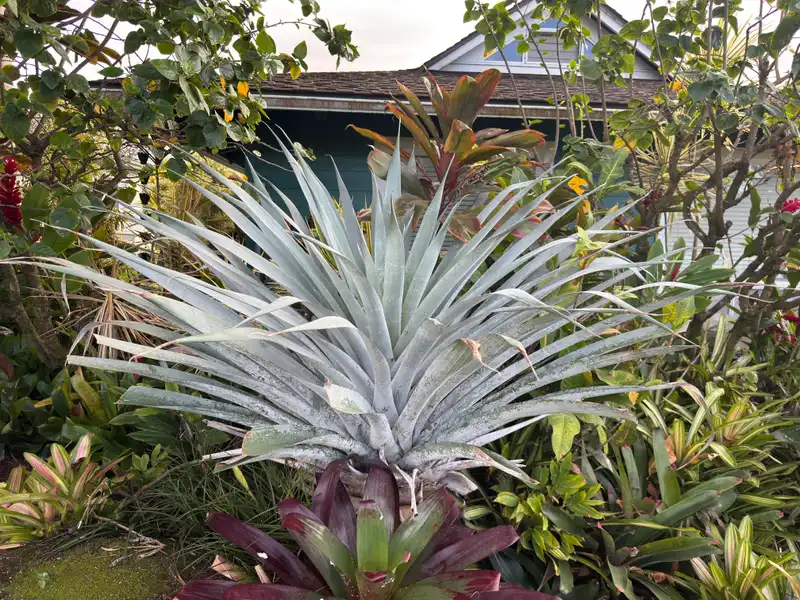
Alcantarea odorata is a large Brazilian bromeliad grown for its architectural rosette of spineless leaves, which mature from pale green with silver banding to a silvery blue. A tall flower stalk bears fragrant yellow blooms, making the plant a striking specimen for a warm, bright garden or a spacious container.
## Form and flowering
[Kew’s Plants of the World Online](https://powo.science.kew.org/taxon/urn:lsid:ipni.org:names:991900-1/general-information) accepts the name A. odorata and records it as a rock-growing species from northern Rio de Janeiro, Brazil. The [Port St. Lucie Botanical Gardens profile](https://www.pslbg.org/odorata/) lists a slow-growing rosette about 3–4 feet tall and 4–6 feet wide, with fragrant pale-yellow flowers on a 5–8-foot spike in late spring to mid-summer. It may take several years to flower; after the flowering rosette dies, basal offsets can continue the planting.
## Siting
Give it full sun to partial shade and room for its spread. The garden profile reports that it tolerates coastal salt spray and periodically watering the central rosette, while warning against soggy soil. Although it can be grown in a suitable garden bed or container, use a free-draining root zone and protect it from climates colder than its tropical hardiness range. The botanical description of the species is consistent with a rock-dwelling plant rather than one suited to waterlogged ground.
## Maintenance
Keep the leaf cup supplied with clean water and periodically flush out debris; let the root zone drain freely between waterings. Remove dead leaves as needed. After flowering, retain healthy offsets and remove the spent parent rosette once it declines.