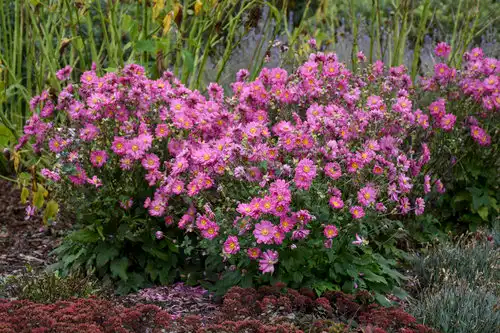
Poppy Anemone
Anemone coronaria
Vibrant poppy-like blooms for stunning spring borders.
- Plant Type
- Perennials & Annuals
- Width
- 6-9 In.
- Height
- 10–18 In.
- USDA hardiness zone
- 7 - 10
- Sun requirements
- Full Sun, Part Shade
- Design image count
- 4
Design images (4)


Bring your vision to life
The design images above are drag-and-drop ready — place this plant on a photo of your own yard and see it before you plant it.
Create design onlineAbout Poppy Anemone
Poppy anemone (*Anemone coronaria*) is a tuberous perennial with finely divided foliage and single, poppy-like flowers in vivid colors, often centered by a dark boss of stamens. It brings a low spring display to sunny borders, rock gardens, containers, and cutting beds; in colder climates it is often grown as a seasonal annual or lifted for storage ([RHS](https://www.rhs.org.uk/plants/108378/anemone-coronaria/details); [NC State Extension](https://plants.ces.ncsu.edu/plants/anemone-coronaria/common-name/anemones/)).
## Form and placement
Plants reach roughly 10–18 inches tall and spread about 6–9 inches. The species bears red, blue, or white flowers; named cultivars and hybrid groups broaden the palette and may have single or double blooms. Stems rise above a basal rosette, making the flowers useful at the front of a border or for cutting.
## Growing conditions
Plant tubers in autumn in well-drained, light or sandy soil in full sun; partial shade is also tolerated. Flowering runs through spring and may continue into early summer, after which foliage yellows and the plant enters summer dormancy. Keep dormant tubers on the dry side, since excess moisture can cause rot. In colder locations, protect tubers or treat the plant as an annual rather than assuming it will overwinter in the ground.
## Maintenance
Water during active growth when rainfall is insufficient, then reduce moisture as foliage dies back. Allow leaves to yellow naturally before removing them. Wear gloves when handling; NC State Extension reports that all parts are poisonous if eaten and that fresh sap can irritate skin.