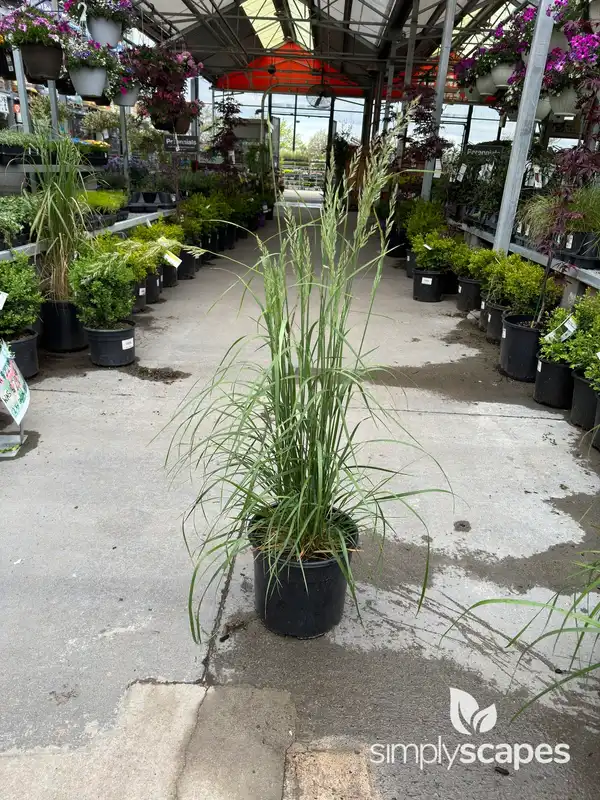
Feather Reed Grass
Calamagrostis acutiflora
A majestic, upright ornamental grass with feathery plumes and year-round interest.
- Plant Type
- Ornamental Grasses
- Width
- 1-2 Ft.
- Height
- 3-4 Ft.
- USDA hardiness zone
- 3 - 9
- Sun requirements
- Full Sun, Part Shade
- Design image count
- 24
Design images (24)


Bring your vision to life
The design images above are drag-and-drop ready — place this plant on a photo of your own yard and see it before you plant it.
Create design onlineAbout Feather Reed Grass
Feather reed grass is the common name used here for Calamagrostis acutiflora, an ornamental grass in the genus Calamagrostis. The genus is valued for narrow, arching leaves and upright, feathery plumes that add vertical structure to borders and mixed plantings. Flower and foliage color, height, and spread vary among species and named cultivars, so confirm the exact selection when planning spacing.
## Garden use
Use feather reed grass as a structural accent, a backdrop for flowering perennials, or in a repeated group. The plume heads provide seasonal texture and often remain attractive as they fade through autumn and winter. The catalog identity does not name a cultivar, so cultivar-specific dimensions and appearance should not be assumed.
## Siting and soil
[The RHS growing guide](https://www.rhs.org.uk/plants/calamagrostis/growing-guide) describes Calamagrostis as preferring full sun and soil that stays reasonably moist, while tolerating light shade and a range of ordinary soils. Avoid deep shade and very dry, poor ground. Allow room for a clump to expand and consider sheltering exposed plants where wind could flatten seedheads.
## Seasonal interest
As a cool-season grass, it starts growth early in spring. Upright plumes typically appear from early summer and can persist into winter; the top growth dies back, with new leaves emerging from the base the following spring.
## Maintenance
Water new plants during establishment and through extended dry periods. Cut the previous season’s stems down in late winter before fresh shoots emerge. Divide an older, congested clump in spring if needed.