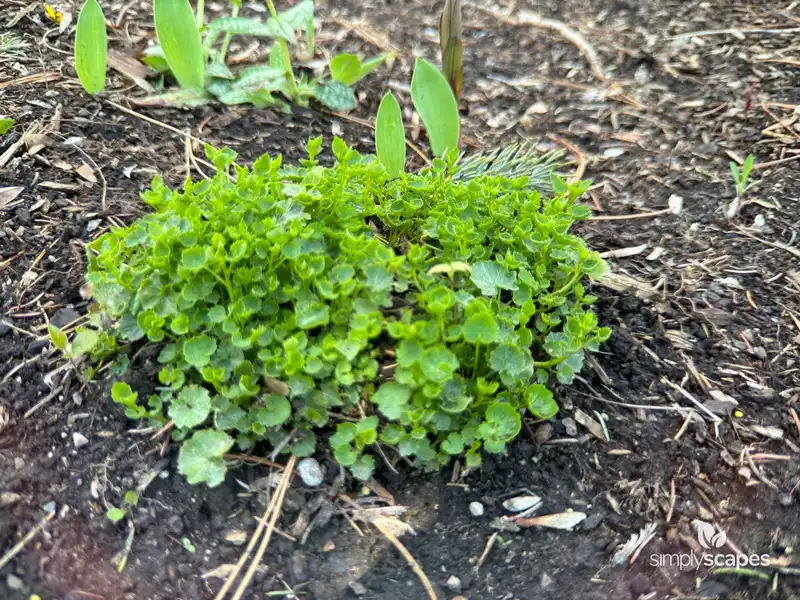
Serbian Bellflower Plant
Campanula poscharskyana
A vigorous, star-flowered groundcover perfect for rock gardens and walls.
- Plant Type
- Perennials & Annuals
- Width
- 12-18 In.
- Height
- Up to 4 In.
- USDA hardiness zone
- 3 - 8
- Sun requirements
- Full Sun, Part Shade
- Design image count
- 1
Design images (1)

Bring your vision to life
The design images above are drag-and-drop ready — place this plant on a photo of your own yard and see it before you plant it.
Create design onlineAbout Serbian Bellflower Plant
Serbian bellflower is a spreading perennial with rounded green leaves and star-shaped lavender-blue flowers. Its trailing stems can soften a wall or path edge, fill a rock garden, or spill from a container; give it room to spread among neighboring plants.
## Flowers and garden use
The [RHS plant profile](https://www.rhs.org.uk/plants/2964/campanula-poscharskyana/details) describes a low mound of rounded leaves with light violet-blue, star-shaped flowers in summer and early autumn. The [Royal Botanic Garden Edinburgh plant database](https://garden.rcp.ac.uk/viewPlant?plantId=1659) records the species as a perennial trailing bellflower flowering in June, July, and August. Bloom duration varies with climate and growing conditions.
## Size and placement
This species stays low but can spread into a broad patch. The RHS lists a mature height up to 10 cm and spread of 0.1–0.5 m; the Edinburgh database confirms its trailing habit. Use it as ground cover or edging where its runners can be managed without crowding smaller alpine plants.
## Light, soil, and water
Grow in full sun or partial shade in moist but well-drained soil. The RHS notes that underground runners can make the species invasive in some garden settings. Water new plants through establishment and during dry periods; avoid soil that stays waterlogged.
## Maintenance
Trim back after flowering if the stems become untidy or the patch needs to stay within bounds. Divide established plants in spring or autumn to reduce crowding and create new plants.