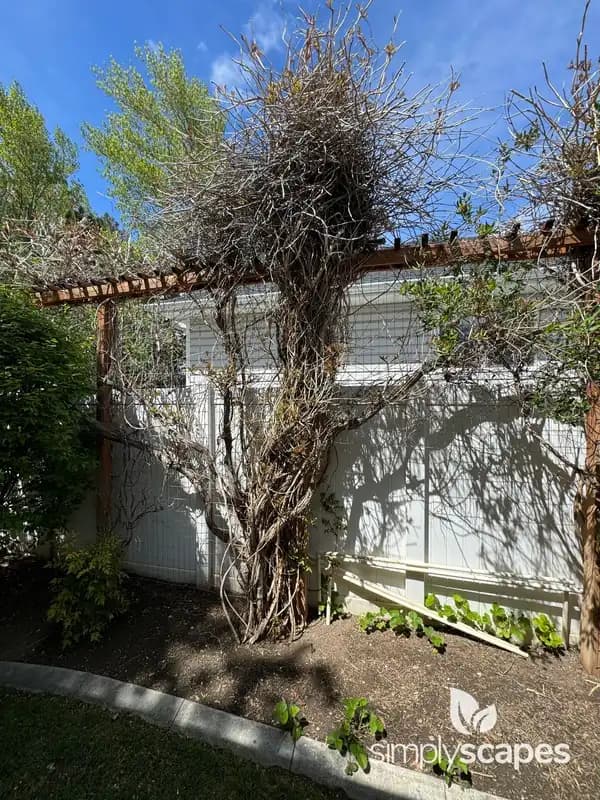
Trumpet Vine Plant
Campsis radicans
A vigorous, hummingbird-attracting vine with fiery trumpet-shaped blooms.
- Plant Type
- Vines & Groundcovers
- Width
- 4-10 Ft.
- Height
- 20-40 Ft.
- USDA hardiness zone
- 4 - 10
- Sun requirements
- Full Sun, Part Shade
- Design image count
- 2
Design images (2)


Bring your vision to life
The design images above are drag-and-drop ready — place this plant on a photo of your own yard and see it before you plant it.
Create design onlineAbout Trumpet Vine Plant
Campsis radicans is a vigorous deciduous vine native to eastern and central North America, valued for summer trumpet-shaped flowers and the hummingbirds that visit them. Its aerial rootlets let it climb masonry, fences, and sturdy structures, while underground shoots can spread well beyond the original planting ([sources: [NC State Extension](https://plants.ces.ncsu.edu/plants/campsis-radicans/common-name/trumpet-vine/), [University of Illinois Extension](https://extension.illinois.edu/flowers/trumpet-vine)]).
## Flowers and growth
Flowers are usually orange to red, with yellow forms also known; flowering is strongest in full sun and occurs on new growth. The North Carolina Extension profile describes mature vines about 30–40 feet tall and 4–10 feet wide, while actual size depends on support, climate, and pruning. The existing catalog measurements are within that broad range. Grow it where a substantial flowering climber can be contained, and avoid light trellises that may not support mature woody stems.
## Siting
This species tolerates a range of soils and is listed for USDA zones 4–10 by North Carolina Extension. Part shade is tolerated, though shade may reduce bloom. Its root suckers and self-sown seedlings can make it persistent, so keep the planting away from areas where spread is difficult to manage. Sap or foliage contact can irritate sensitive skin.
## Maintenance
Provide a strong support and water while the vine establishes. In late winter or early spring, shorten selected stems and remove unwanted shoots before the new season’s growth; flowering on new growth allows this timing. Remove root suckers and seedlings as they appear, and wear gloves if handling causes skin irritation.