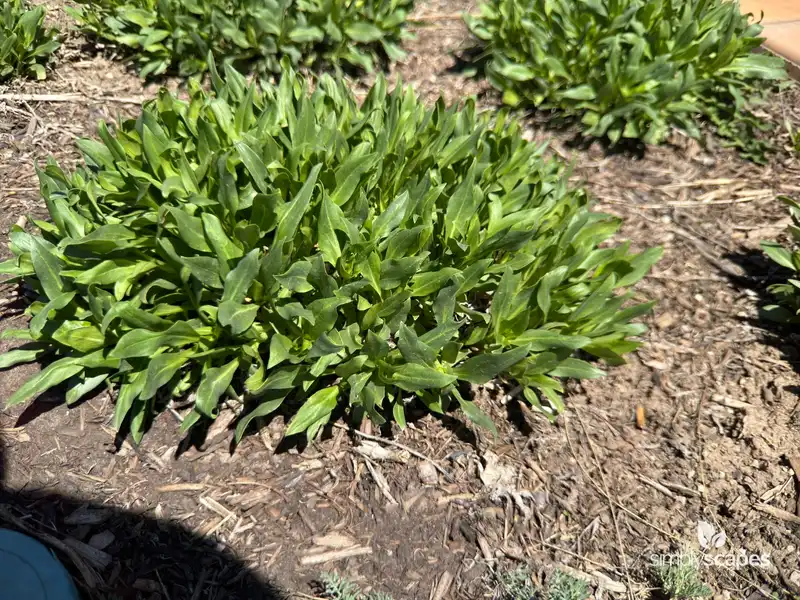
Jupiter's Beard
Centranthus ruber
A vibrant, long-blooming perennial perfect for cottage gardens and pollinators.
- Plant Type
- Perennials & Annuals
- Width
- 30 In.
- Height
- 24-36 In.
- USDA hardiness zone
- 4 - 9
- Sun requirements
- Full Sun, Part Shade
- Design image count
- 7
Design images (7)


Bring your vision to life
The design images above are drag-and-drop ready — place this plant on a photo of your own yard and see it before you plant it.
Create design onlineAbout Jupiter's Beard
Jupiter’s beard (Centranthus ruber), also called red valerian, is a woody-based perennial with fleshy gray-green leaves and clusters of small, fragrant flowers. It can flower from spring into fall and may reseed in favorable conditions, so give it room and consider its local naturalizing behavior before placing it. [North Carolina Extension](https://plants.ces.ncsu.edu/plants/valeriana-rubra/common-name/jupiters-beard/) treats Centranthus ruber as a synonym of Valeriana rubra and notes that it can naturalize in parts of the United States.
## Site and size
This adaptable plant grows in sunny to partly shaded sites and tolerates well-drained, relatively dry soil once established. Mature dimensions vary among references and conditions: current garden profiles range from roughly 1.5–3 feet tall and 1–2 feet wide, while other public landscape listings allow a wider clump. The catalog’s existing 0.8 m height and width are retained as approximate points within the reported variation.
## Garden use
The long flowering season suits cottage-style borders, stone walls, and sunny slopes. Flowers may be red, pink, or white across the species, so the general entry does not imply one flower color. A [Missouri Botanical Garden Plant Finder profile](https://www.missouribotanicalgarden.org/PlantFinder/PlantFinderDetails.aspx?isprofile=0&pt=8&taxonid=287436) describes its spring-to-frost flowering and fragrant blooms.
## Maintenance
Remove spent flower stems before seeds mature if you want to limit volunteers; avoid continuously wet soil, which can encourage crown problems.