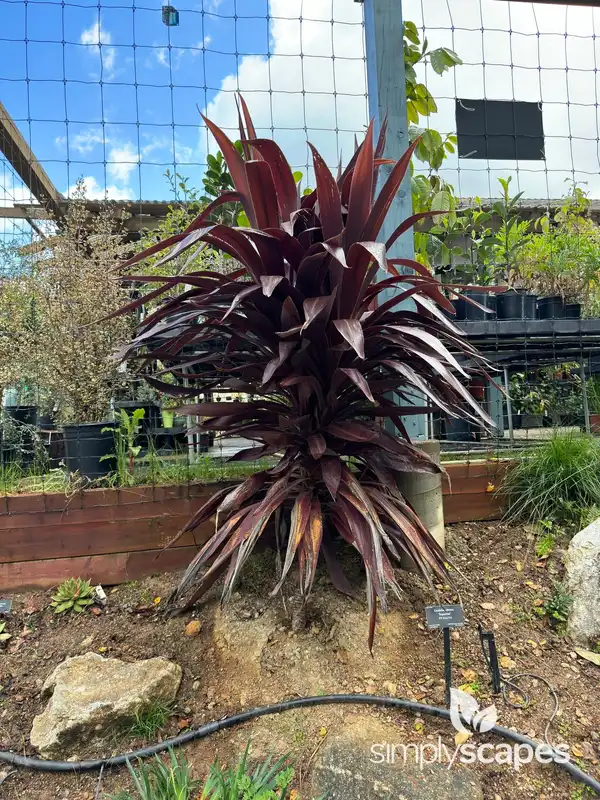
New Zealand cabbage tree
Cordyline obtecta
A majestic, wide-branching tree with lush, cascading foliage.
- Plant Type
- Flowering Trees
- Width
- 6-13 Ft.
- Height
- 13-20 Ft.
- USDA hardiness zone
- 9 - 11
- Sun requirements
- Full Sun, Part Shade
- Water requirements
- Avoid prolonged drought
- Design image count
- 1
Design images (1)

Bring your vision to life
The design images above are drag-and-drop ready — place this plant on a photo of your own yard and see it before you plant it.
Create design onlineAbout New Zealand cabbage tree
New Zealand cabbage tree (Cordyline obtecta), also called Three Kings cabbage tree, is a small, widely branched tree with several stems or trunks and tufts of strap-shaped leaves. The [Flora of New Zealand](https://nzflora.info/factsheet/Taxon/Cordyline-obtecta.html) and [University of Auckland](https://www.nzplants.auckland.ac.nz/en/about/seed-plants-flowering/asparagaceae/cordyline-obtecta.html) describe heights up to about 4 m, while the [New Zealand Plant Conservation Network](https://www.nzpcn.org.nz/flora/species/cordyline-obtecta/) records trees to 6 m.
## Structure and flowers
The leaves are generally erect when young and may droop with age. The plant produces branched panicles of small white or white-to-yellowish flowers; New Zealand conservation references report flowering from September through December. The fleshy fruit is small and white. Its multi-stemmed form makes a distinctive specimen for a spacious garden or a large pot.
## Site and use
Cordyline obtecta tolerates a range of soil and moisture conditions, but the [New Zealand Plant Conservation Network species profile](https://www.nzpcn.org.nz/flora/species/cordyline-obtecta/) cautions against long periods of drought and notes frost sensitivity. It reports that the plant grows well in pots and tubs. The documented native range includes northern New Zealand islands and Norfolk Island.
## Maintenance
Choose a position that can accommodate a small tree and protect young plants from hard frost. Water during prolonged dry periods, especially while establishing, and avoid allowing the root zone to remain dry for long stretches. Fresh seed and stem or trunk cuttings are documented propagation methods.