Sweet William - Pinks
Dianthus barbatus
Vibrant, fragrant clusters of fringed flowers for classic cottage gardens.
- Plant Type
- Perennials & Annuals
- Width
- 6-12 In.
- Height
- 12-24 In.
- USDA hardiness zone
- 3 - 9
- Sun requirements
- Full Sun, Part Shade
- Design image count
- 4
Design images (4)


Bring your vision to life
The design images above are drag-and-drop ready — place this plant on a photo of your own yard and see it before you plant it.
Create design onlineAbout Sweet William - Pinks
Sweet William (Dianthus barbatus) is a biennial or short-lived perennial often grown as an annual. It produces dense, rounded clusters of fringed flowers above narrow foliage and is useful in cottage borders and cutting gardens.
## Flowers and garden use
Species-level flowers may be white, pink, red, purple, or bicolored, and are often fragrant; colors vary among cultivars. North Carolina State Extension describes typical plants as about 1–2 feet tall and 6–12 inches wide, with flowering in spring. The existing name “Sweet John” is also recorded as a common name. [NC State Extension: Sweet William](https://plants.ces.ncsu.edu/plants/dianthus-barbatus/common-name/sweet-william/)
## Growing
Grow in sun, with partial shade helpful in hot summer climates. Loamy, well-drained soil is suitable, and slightly alkaline conditions are tolerated. Waterlogged soil can encourage crown rot; give plants airflow and avoid wet, crowded sites. The species is often short-lived, so allow seedlings to replace older plants if you want a continuing display.
## Maintenance
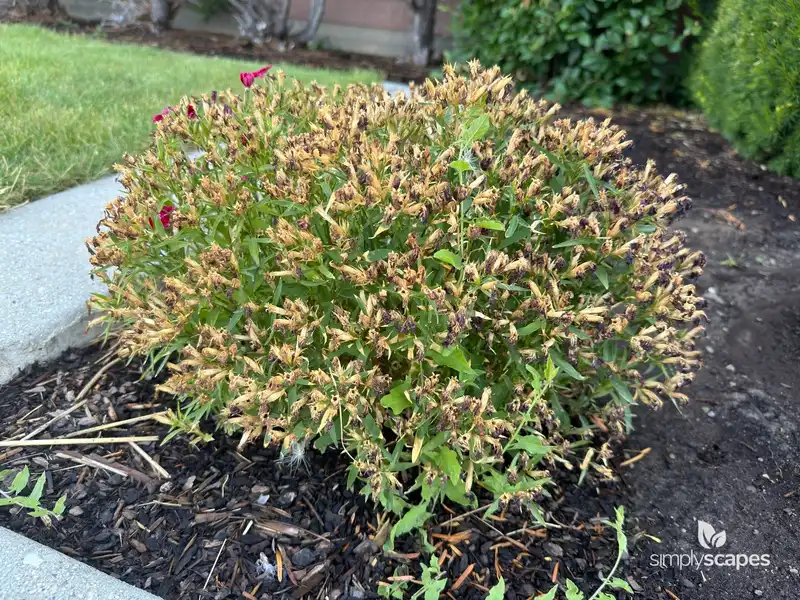
Remove spent flower heads to tidy the planting and limit unwanted seedlings. Check young growth for slugs and snails in shaded, damp areas. Sweet William is a flexible species entry, and particular cultivars can differ in flower color, stature, and life cycle.