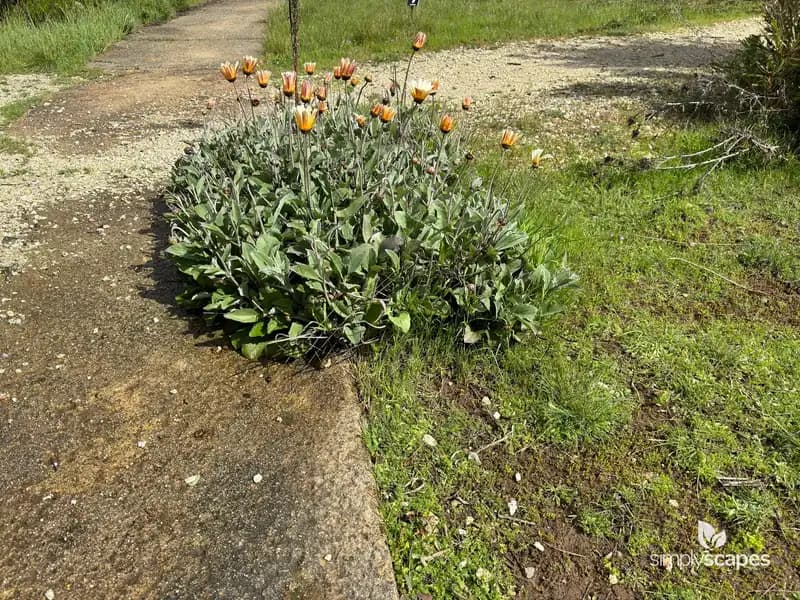
African daisy
Dimorphotheca sinuata
A vibrant, sun-loving annual that creates a stunning carpet of orange.
- Plant Type
- Annuals
- Width
- 12-18 In.
- Height
- 6-12 In.
- USDA hardiness zone
- 2 - 11
- Sun requirements
- Full Sun
- Design image count
- 2
Design images (2)


Bring your vision to life
The design images above are drag-and-drop ready — place this plant on a photo of your own yard and see it before you plant it.
Create design onlineAbout African daisy
Dimorphotheca sinuata, often called Namaqualand daisy or Cape marigold, is a South African annual grown for bright orange and yellow flower heads above light-green, shallowly lobed foliage. It makes a colorful low planting for sunny borders, rock gardens, and containers, and its flowers can attract bees and butterflies.
## Garden use
This small, erect-to-spreading annual suits open, sunny spaces where its flower display can catch the light. North Carolina Extension describes stems about 4–12 inches tall and flower heads roughly 2–2.5 inches across. Plant in freely draining soil, especially sand or gritty loam, and repeat plants in an edging or massed bed for a broad seasonal effect. The heads open in bright light and close at night or on cloudy days, so choose a site with good sun exposure. It is not a useful cut flower.
## Seasonal behavior
Flowering can continue from spring through fall in suitable conditions. The plant sets seed soon after flowering and may reseed vigorously; it has naturalized in parts of California and Arizona. Deadhead or collect seed where seedlings would spread beyond the intended bed, or allow limited reseeding where a repeat annual display is wanted. [North Carolina Extension Plant Toolbox](https://plants.ces.ncsu.edu/plants/dimorphotheca-sinuata/common-name/african-daisy/) and the [RHS plant profile](https://www.rhs.org.uk/plants/31820/dimorphotheca-sinuata/details) describe its seasonal flowering and garden character.
## Maintenance
Water seedlings and new transplants while they establish, then avoid chronic saturation; established plants tolerate dry spells in well-drained soil. Monitor self-sown plants and remove unwanted seedlings before they set seed. Because this is an annual, plan for fresh sowing or replanting to renew the display each season.