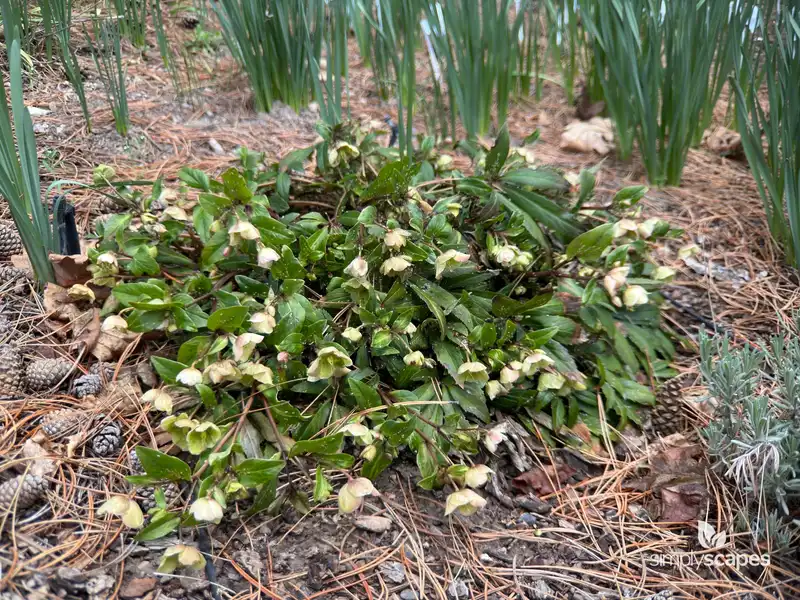
Helleborus
Helleborus
Elegant winter-blooming perennials that bring life to the shade garden.
- Plant Type
- Perennials & Annuals
- Width
- 12-18 In
- Height
- 9-12 In
- USDA hardiness zone
- 4 - 9
- Sun requirements
- Full Sun, Part Shade, Full Shade
- Design image count
- 2
Design images (2)


Bring your vision to life
The design images above are drag-and-drop ready — place this plant on a photo of your own yard and see it before you plant it.
Create design onlineAbout Helleborus
Helleborus is a genus of perennial hellebores that includes compact woodland plants and larger species, with flowers appearing from winter into early spring in many commonly grown kinds. Foliage persistence, mature size, flower color, and preferred exposure vary across the genus, so select a species or hybrid for local conditions rather than assuming one profile fits every hellebore. [RHS genus guide](https://www.rhs.org.uk/plants/hellebore) · [RHS growing guide](https://www.rhs.org.uk/plants/hellebore/growing-guide)
## Garden Use
Many hellebores suit a lightly shaded border or woodland edge, where their flowers can brighten the late-winter garden. The RHS notes that most prefer partial or dappled shade, while some species tolerate more sun and others need deeper shade or winter shelter. Most remain compact, but some, including H. argutifolius and H. foetidus, grow substantially taller.
## Growing Conditions
For many garden hellebores, choose fertile, moisture-retentive soil that drains well and a position sheltered from strong, cold winds. Keep the root zone from becoming waterlogged. Species such as H. niger need especially free drainage in winter, while some other types tolerate a broader range of positions. Check the identity of the plant before applying species-specific care.
## Maintenance
Mulch with organic matter to help retain moisture and improve the soil. Remove damaged or diseased leaves and cut back old flower stems after bloom if seed is not wanted; timing varies by species. Hellebores contain toxic compounds if eaten, so place them where children and pets are unlikely to chew the foliage. [North Carolina Extension’s Helleborus guide](https://plants.ces.ncsu.edu/plants/helleborus/common-name/hellebores/)