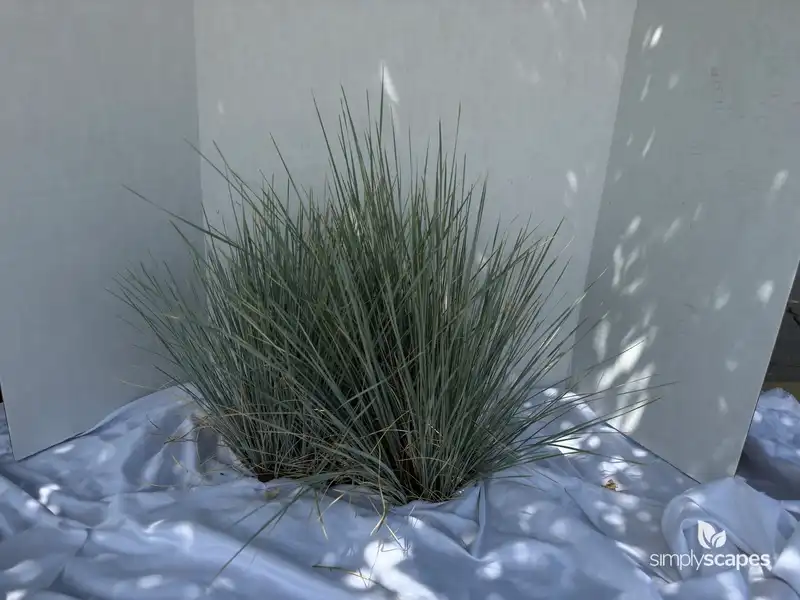
Spreading Rush
Juncus patens
Architectural gray-green rush for versatile landscapes.
- Plant Type
- Ornamental Grasses
- Width
- 12-36 In.
- Height
- 12-36 In.
- USDA hardiness zone
- 4 - 9
- Sun requirements
- Full Sun, Part Shade, Full Shade
- Water requirements
- Moist, Wet
- Design image count
- 2
Design images (2)


Bring your vision to life
The design images above are drag-and-drop ready — place this plant on a photo of your own yard and see it before you plant it.
Create design onlineAbout Spreading Rush
Spreading rush (*Juncus patens*) is a California native perennial with fine, upright gray-green stems and a tidy architectural shape. It suits rain gardens and other moisture-retentive areas, while established plants can adapt to reduced summer irrigation. [UC Davis Arboretum](https://arboretum.ucdavis.edu/all-stars/california-gray-rush) describes its size as up to 2 feet tall and about 2 feet wide, with use in rain gardens and value to songbirds. The [Santa Barbara Botanic Garden lists 1–3 feet tall by 3 feet wide](https://shop.sbbotanicgarden.org/products/common-rush-juncus-patens), illustrating how mature size varies with conditions.
## Form and placement
Plant it in small groups for a low, textural accent beside a path, in a rain garden, or near a dry streambed. It forms a dense clump before gradually spreading into drifts; keep that habit in mind when choosing its position. Its stems offer year-round structure, with small, inconspicuous flowers.
## Growing conditions
Full sun to part shade and moist-to-wet soil suit this rush. [UC Agriculture and Natural Resources](https://ucanr.edu/node/126258/printable/print) notes that *J. patens* prefers moist or wet areas and sun, but adapts to part shade and low summer water; UC Davis also lists heavy clay and poor drainage among the conditions it tolerates. Habitat and local climate affect its growth and irrigation needs.
## Maintenance
Water through establishment, then reduce irrigation gradually where the site supports it. Cut stems to the ground in late fall or winter every few years to refresh the clump, and divide it in the cool season if it becomes crowded.