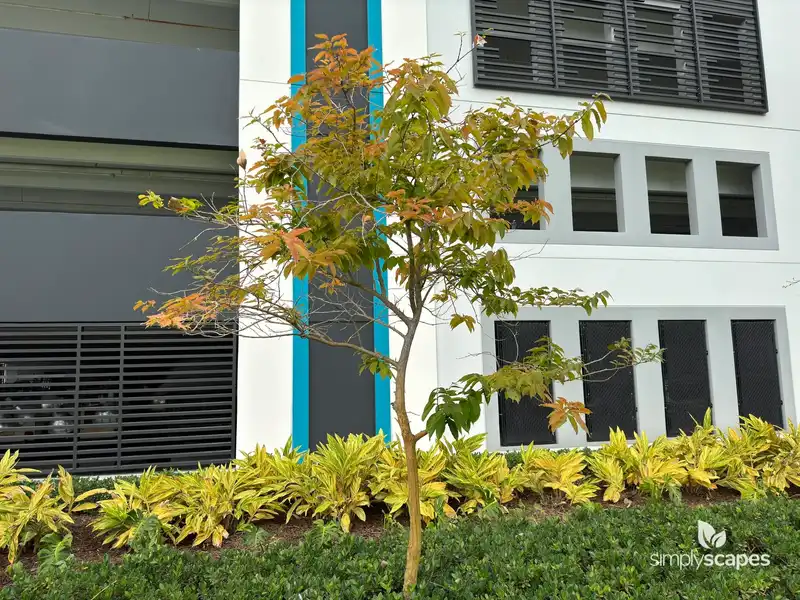
Enduring Summer Crape Myrtle
Lagerstroemia
Vibrant summer blooms and stunning exfoliating bark for year-round landscape interest.
- Plant Type
- Flowering Trees
- Width
- 4-5 Ft.
- Height
- 4-5 Ft.
- USDA hardiness zone
- 6 - 9
- Sun requirements
- Full Sun, Part Shade
- Design image count
- 2
Design images (2)


Bring your vision to life
The design images above are drag-and-drop ready — place this plant on a photo of your own yard and see it before you plant it.
Create design onlineAbout Enduring Summer Crape Myrtle
Crape myrtle (Lagerstroemia) includes deciduous and evergreen shrubs and small trees with showy summer-to-fall flowers. Species and cultivars vary widely in flower color, habit, and mature size, so confirm the identity of the particular selection before using a genus-level profile as a size or climate guarantee. [NC State Extension’s genus profile](https://plants.ces.ncsu.edu/plants/lagerstroemia/) outlines this range and general growing conditions.
## Growing and siting
Most crape myrtles perform best in full sun and well-drained soil with average moisture. Deep watering during dry spells supports establishment; avoid persistently wet foliage and overly fertile soil, which can favor leafy growth over flowering. In colder areas, top growth may be injured even when roots survive and resprout, so choose a sheltered site suited to the specific species or cultivar.
## Seasonal interest
The genus spans flower colors and forms, with many selections flowering in summer or into fall. Smooth, exfoliating bark can add winter texture, while some types develop fall color. These traits vary, and this record does not identify a named cultivar or flower color.
## Maintenance
Prune selectively only when needed to remove damaged or crossing branches. Severe annual topping can weaken structure and reduce flowering; retain the natural branching framework. Monitor for aphids, scale, powdery mildew, and leaf spot, and improve airflow and site conditions if problems recur.