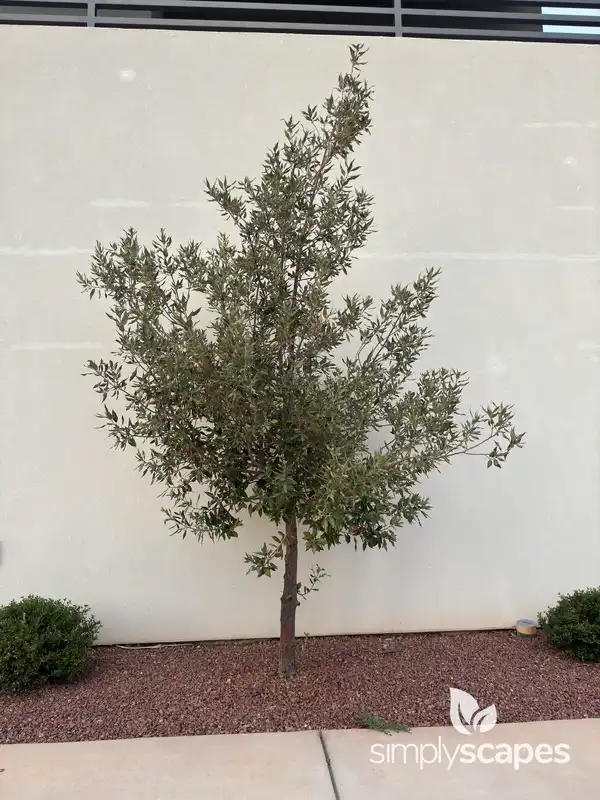
Laurel Tree (Laurus)
Laurus
The timeless aromatic evergreen for culinary excellence and classic garden elegance.
- Plant Type
- Shade Trees
- Width
- 12-40 Ft.
- Height
- 12-40 Ft.
- USDA hardiness zone
- 8 - 11
- Sun requirements
- Full Sun, Part Shade
- Design image count
- 12
Design images (12)


Bring your vision to life
The design images above are drag-and-drop ready — place this plant on a photo of your own yard and see it before you plant it.
Create design onlineAbout Laurel Tree (Laurus)
Laurus is a small genus of evergreen trees and shrubs in the laurel family. Kew recognizes three species: Laurus azorica, L. nobilis, and L. novocanariensis. Across the genus, mature size and cold tolerance depend on the species and local growing conditions, so identify the plant beyond its genus name before choosing a final site.
## Form and foliage
Members of Laurus have simple, smooth-edged leaves that are aromatic when crushed. Small flowers grow in clusters, with male and female flowers on separate plants; female plants may produce dark berries. The evergreen foliage can provide year-round structure in a sheltered garden, courtyard, or large container where the selected species has enough room.
## Choosing a site
The genus is native to Macaronesia and the Mediterranean region. Match a particular plant’s light, drainage, mature dimensions, and winter protection to its species and nursery label; genus-level information alone does not establish a universal USDA hardiness range or watering schedule.
## Maintenance
Water consistently while a new plant establishes, then adjust irrigation to local rainfall, soil drainage, and the identified species. Remove damaged or crossing branches as needed. Keep enough space for mature growth, and confirm the plant’s identity before harvesting foliage for culinary use.