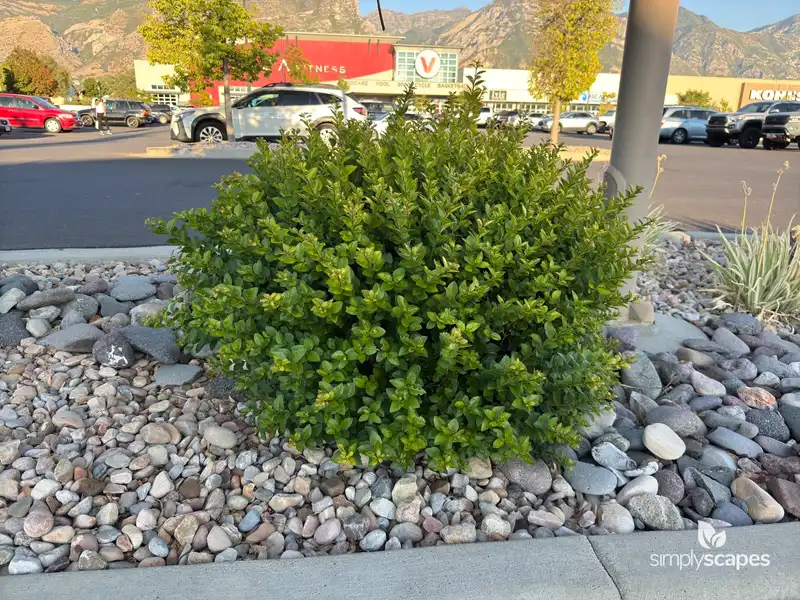
California Privet
Ligustrum ovalifolium
A fast-growing, versatile hedge with glossy green foliage.
- Plant Type
- Shrubs & Roses
- Width
- 10-15 Ft.
- Height
- 10-15 Ft.
- USDA hardiness zone
- 5 - 9
- Sun requirements
- Full Sun, Part Shade
- Water requirements
- Moist but well-drained, Well-drained
- Design image count
- 1
Design images (1)

Bring your vision to life
The design images above are drag-and-drop ready — place this plant on a photo of your own yard and see it before you plant it.
Create design onlineAbout California Privet
California privet (*Ligustrum ovalifolium*) is a vigorous, upright semi-evergreen shrub with glossy oval leaves; fragrant white flower clusters appear in midsummer, followed by shiny black fruit in autumn ([RHS profile](https://www.rhs.org.uk/plants/91966/ligustrum-ovalifolium/details), [University of Maryland Extension](https://extension.umd.edu/resource/privet)). It suits a clipped hedge or screen, though frequent shearing reduces flowering ([RHS profile](https://www.rhs.org.uk/plants/91966/ligustrum-ovalifolium/details)). California privet can escape cultivation and spread by seed in parts of the United States, so check local invasive-plant guidance before planting ([Arkansas Extension](https://uaex.uada.edu/yard-garden/resource-library/plant-week/Privet-Ligustrum-Hedges-8-24-2018.aspx), [Maryland Extension](https://extension.umd.edu/resource/privet)).
## Size & Placement
The Royal Horticultural Society lists potential heights of 4–8 m and spreads of 2.5–4 m; actual size varies with conditions and clipping. It grows in full sun or partial shade and accepts chalk, clay, loam, or sandy soil when drainage is good.
## Care
For a formal hedge, the RHS recommends pruning two or three times during the growing season; pruning suppresses flowers, and trimming should stop in late summer to reduce frost damage to new growth. Watch for seedlings around fruiting plants where spread is a concern.
## Maintenance
Trim hedges as needed to keep the desired height and density. Leave an unpruned specimen room to develop its natural upright, bushy shape.