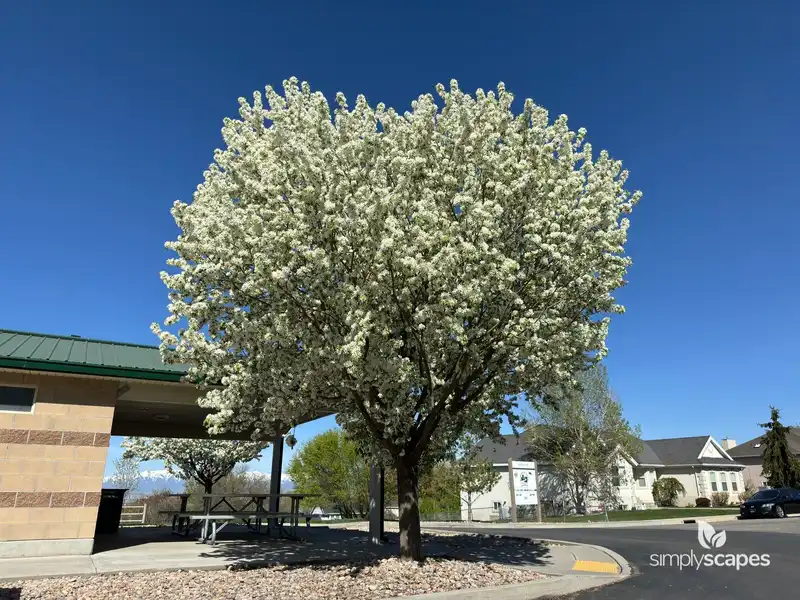
Crabapple Tree
Malus
Iconic flowering trees known for delicious fruit and stunning spring blooms.
- Plant Type
- Flowering Trees
- Width
- 3-25 Ft.
- Height
- 14-40 Ft.
- USDA hardiness zone
- 3 - 8
- Sun requirements
- Full Sun
- Design image count
- 16
Design images (16)


Bring your vision to life
The design images above are drag-and-drop ready — place this plant on a photo of your own yard and see it before you plant it.
Create design onlineAbout Crabapple Tree
Malus is a broad genus that includes edible apples and ornamental crabapples, with substantial variation among species and cultivars. Flower color, fruit size and persistence, mature form, and disease resistance depend on the particular selection, so this genus-level record describes shared patterns rather than a single tree.
## Seasonal character
Many crabapples flower in spring, then carry small pomes that may persist into winter; flowers and fruit colors vary widely. Trees are generally grown in full sun, and mature size ranges from compact forms to large trees. Select a named cultivar suited to the available space and local disease pressures rather than assuming one size or color for the whole genus. Virginia Tech notes this broad cultivar variation in its [flowering crabapple guide](https://www.pubs.ext.vt.edu/content/pubs_ext_vt_edu/en/3010/3010-1483/3010-1483.html).
## Maintenance
Plant in a sunny site with soil that drains well. Water while establishing, then adjust irrigation to the species and soil; prune to maintain structure and remove damaged branches. Check a cultivar’s disease-resistance profile before planting where apple scab is common.