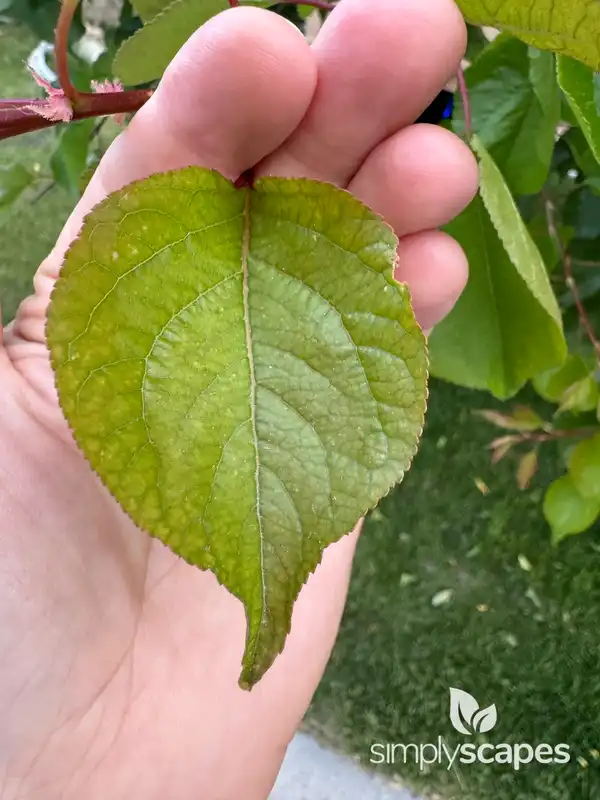
Apricot Tree (Prunus armeniaca)
Prunus armeniaca
A hardy fruit tree with clouds of pink blooms and sweet, golden fruit.
- Plant Type
- Edible Plants
- Width
- 10-20 Ft.
- Height
- 15-20 Ft.
- USDA hardiness zone
- 5 - 9
- Sun requirements
- Full Sun
- Design image count
- 2
Design images (2)


Bring your vision to life
The design images above are drag-and-drop ready — place this plant on a photo of your own yard and see it before you plant it.
Create design onlineAbout Apricot Tree (Prunus armeniaca)
Apricot is a deciduous fruit tree grown for spring flowers and edible golden-orange stone fruit. Cultivars vary in mature size, bloom timing, chill needs, and harvest, so local climate and cultivar choice shape how reliably it crops.
## Profile
Prunus armeniaca belongs to the rose family, Rosaceae; its white or pink-tinged flowers appear before the leaves, followed by red-tinged yellow-orange fruit. Published mature-size ranges differ: the [South Australian Botanic Gardens](https://plantselector.botanicgardens.sa.gov.au/Plants/Details/17920) lists 8–11 m tall and 6–8 m wide, while [University of Minnesota Extension](https://extension.umn.edu/agriculture/farm-operations-and-systems/agroforestry/growing-edible-fruits-and-nuts) lists 12–18 ft tall and 10–15 ft wide. The tree suits full sun and well-drained loam or sandy soils.
## Site and fruiting
Apricot flowers open early and can be damaged by spring frost, so choose a warm, sheltered site. Many cultivars set fruit without a second tree, but a compatible apricot flowering at the same time can improve yield. Thin a heavy crop when fruit is grape-sized, leaving roughly 4–6 inches between fruit along each branch.
## Maintenance
Keep the root zone well drained and water deeply but infrequently; apricots decline in wet, poorly drained soil. Avoid frequent lawn-style irrigation around the roots. Prune to maintain a sound, open framework, remove diseased wood, and thin heavy crops to support fruit size and tree health. [Utah State University Extension](https://extension.usu.edu/yardandgarden/research/apricots-in-the-home-garden) provides further home-orchard guidance.